
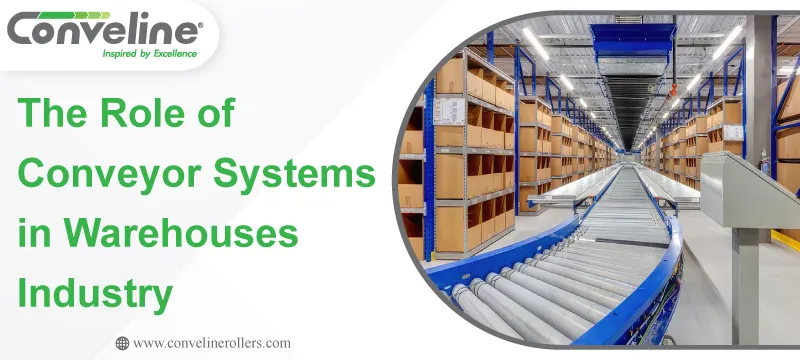
Simple warehouse operations are essential for good managing the supply chain. With the growing demand for faster deliveries and optimized inventory management, warehouses need to adapt by improving their internal processes. Conveyor systems play a key role in enhancing warehouse efficiency by automating material handling, reducing human effort, and speeding up workflows. Here we will explore the role of conveyor systems in warehouses, their evolution, benefits, challenges, and future trends that are shaping the industry.
Importance of Efficient Warehouse Operations
In today's fast-paced market, warehouse efficiency can have an important impact on a company's bottom line. A well-organized and streamlined warehouse ensures timely order fulfillment, minimized errors, and maximized space utilization. Inefficient systems, on the other hand, lead to delays, increased labor costs, and a negative customer experience. The increasing demand for quick shipping, real-time tracking, and reduced delivery windows means that warehouses must become more agile and adaptive. As such, companies are increasingly turning to conveyor systems to automate processes, reduce manual labor, and boost overall productivity.
Conveyor systems, which transport materials from one location to another within the warehouse, have become indispensable. They not only help move goods more quickly but also provide valuable insights into inventory levels and flow, improving warehouse management. This efficiency ultimately helps businesses maintain a competitive edge in a demanding market.
The Role of Conveyor Systems in Enhancing Warehouse Efficiency
Conveyor systems are automated mechanical equipment used to transport materials or products from one location to another within a warehouse. They are an essential part of modern material handling and are used to transport various goods, such as packages, boxes, pallets, and other inventory. Conveyor systems in the warehouse help mainly to increase the movement of products. By reducing the need for manual labor and speeding up the handling of materials, conveyors help warehouses achieve higher throughput rates and greater efficiency. They enable warehouses to handle more products in less time, improving overall productivity.
Furthermore, conveyor systems provide consistent, predictable, and reliable material movement, reducing human error, physical strain on workers, and operational costs. From sorting and transporting goods to loading and unloading, conveyors facilitate seamless movement across multiple stages of the warehouse process.
Evolution of Conveyor Systems
Historical Background of Conveyor Systems in Warehouses
Conveyor systems have been around for over a century, with their first major use dating back to the late 19th century. The first conveyors were simple wooden or metal tracks used in agriculture and manufacturing, primarily for moving bulk materials like grain or coal. In the early 1900s, Henry Ford revolutionized the automotive industry by using a conveyor belt to transport car parts along an assembly line, significantly increasing production efficiency. This marked the beginning of a new era in manufacturing and material handling.
In the 1950s and 1960s, conveyor systems began to gain traction in warehouses as industries sought to streamline the movement of goods. Over time, advancements in materials, automation, and control systems have transformed the conveyor systems used in warehouses today, making them more efficient, reliable, and customizable.
Innovations and Advancements in Conveyor Technology
The evolution of conveyor systems has been marked by significant innovations, making them increasingly advanced and capable of meeting the specific needs of modern warehouses. Some of the key advancements in conveyor technology include:
- Automation: Automated conveyor systems can be easily set up to need minimum human involvement, increasing operating efficiency and lowering labor expenses.
- Smart Conveyor Systems: With the integration of sensors, AI, and IoT technologies, modern conveyors can monitor product movement, adjust speeds, and provide real-time data for inventory tracking and workflow optimization.
- Energy-Efficient Designs: Today’s conveyor systems are designed with energy efficiency in mind, reducing power consumption while maintaining high performance.
- Modular Conveyors: Modular conveyor systems are customizable and can be easily adjusted or reconfigured to suit changing warehouse layouts or product types.
Types of Conveyor Systems Commonly Used in Warehouses
There are several types of conveyor systems commonly used in warehouses, each designed to suit specific needs and applications:
- Roller Conveyors: Ideal for handling heavy items and pallets, roller conveyors use cylindrical rollers to move goods across the system. They are commonly used in order picking, packaging, and shipping areas.
- Belt Conveyors: Belt conveyors are flexible, cost-effective systems used to move products of all sizes and shapes. They are typically used for lightweight items, such as boxes or small packages.
- Chain Conveyors: These are used for heavier loads, particularly in industries like automotive, where heavy machinery or parts need to be transported.
- Overhead Conveyors: These conveyors are used to move products above the warehouse floor, utilizing a track system to transport goods without taking up floor space.
- Vibratory Conveyors: Used for handling small parts or bulk materials, vibratory conveyors use oscillating movements to move materials along the conveyor path.
Benefits of Conveyor Systems in Warehouses

- Increased Efficiency and Productivity: Conveyor systems automate the transportation of goods within the warehouse, leading to faster and more efficient operations. By reducing the time spent manually moving products, employees can focus on other critical tasks, improving overall productivity. Conveyors can run continuously, moving items 24/7 without the need for breaks, further enhancing productivity levels.
- Reduction of Labor Costs: By automating the movement of goods, conveyor systems help warehouses reduce labor costs. Workers can focus on higher-value tasks such as sorting, quality control, or inventory management rather than physically transporting items. As a result, conveyor systems provide significant cost savings by streamlining labor-intensive processes.
- Enhanced Safety for Warehouse Workers: Conveyor systems improve safety by reducing the amount of manual handling and lifting required. They minimize the risk of workplace injuries caused by repetitive motions, heavy lifting, and handling of goods. By reducing physical strain, warehouse workers are less likely to suffer from musculoskeletal disorders, making the workplace safer.
- Optimized Use of Warehouse Space: Conveyors optimize warehouse space by allowing goods to be moved vertically or horizontally through narrow aisles, freeing up floor space for storage. Overhead and automated conveyor systems make it possible to use existing space more efficiently, enabling better use of storage areas.
- Improved Order Accuracy and Customer Satisfaction: By automating the movement and sorting of goods, conveyor systems improve order accuracy. Products are less likely to be misplaced or incorrectly packed, resulting in fewer mistakes and returns. This improved accuracy contributes to higher customer satisfaction and faster delivery times, enhancing a warehouse's reputation and service quality.
Challenges and Considerations
Common Challenges in Implementing Conveyor Systems
- High initial costs for purchasing and installing conveyor systems
- Integration issues with existing workflows or equipment
- Maintenance requirements for keeping conveyor systems in optimal working condition
Regardless of these challenges, the long-lasting benefits of higher productivity and production usually exceed the original cost.
Factors to Consider When Choosing a Conveyor System for a Warehouse
When choosing a conveyor system for a warehouse, several factors must be considered to ensure it meets the needs of the operation. These factors include:
- Material type: The type of materials being transported (heavy, lightweight, or fragile) will determine the type of conveyor system required.
- Warehouse layout: The available space and the flow of goods within the warehouse should influence the design and configuration of the conveyor system.
- Automation level: The level of automation needed for the specific tasks and processes in the warehouse.
- Budget: The cost of the system, including installation, maintenance, and future upgrades.
Maintenance and Upkeep of Conveyor Systems
Conveyor systems required regular maintenance to preserve their longevity and functionality. Some important maintenance practices include:
- Regular cleaning and lubrication of the conveyor components
- Periodic inspections for wear and tear on the belts, rollers, and other moving parts
- Prompt repair or replacement of damaged or malfunctioning components to prevent breakdowns
Future Trends in Conveyor Systems
Automation and Robotics in Conveyor Systems
Automation is rapidly transforming warehouse operations. The integration of robotics with conveyor systems allows for autonomous material handling, sorting, and packing, reducing the need for manual labor and increasing operational speed. Automated guided vehicles (AGVs) and robotic arms work in tandem with conveyors to optimize material flow and reduce human intervention.
Predictions for the Future Impact of Conveyor Systems on the Warehouse Industry
As conveyor systems continue to evolve, they are expected to become more intelligent, flexible, and energy-efficient. Technologies like IoT, AI, and machine learning will enable smarter conveyor systems that can adapt to changing conditions, optimize performance, and predict maintenance needs. These innovations will further improve the speed, accuracy, and sustainability of warehouse operations, setting the stage for the next generation of material handling solutions.
Who is the Leading Manufacturer of Conveyor Systems?
Conveline Systems Pvt. Ltd. is a leading manufacturer and exporter of high-quality conveyor systems for the warehouse industry. With years of expertise and a commitment to innovation, we provide reliable, durable, and efficient conveyor solutions to optimize material handling in warehouses. These systems are designed to streamline operations, improve productivity, and reduce labor costs. Conveline Systems Pvt. Ltd. offers roller conveyors, belt conveyors, and specialized conveyor systems. offers a wide range of products tailored to meet the unique needs of your business. With a focus on quality, customer satisfaction, and timely delivery, they have built a strong reputation in the industry. Their conveyor systems are trusted by businesses across various sectors, helping them achieve smoother, faster, and more efficient workflows.
Conclusion
Conveyor systems are essential components in modern manufacturing facilities. They improve efficiency, reduce labor costs, enhance safety, and optimize the use of warehouse space. With the increasing complexity of logistics and the growing demand for faster deliveries, the role of conveyor systems will continue to grow. As warehouse managers look to the future, implementing cutting-edge conveyor technology will be key to staying competitive.
For companies looking to optimize their material handling systems, Conveline Systems Pvt. Ltd. offers innovative conveyor solutions designed to meet the needs of modern warehouses. To learn more about conveyor systems and how they can improve your operations, contact Conveline Systems Pvt. Ltd. at +91-748-602-3925 or email info@conveline.com.


